Wet Filter Systems
Wet filtration systems that use controlled contact between contaminated air and liquid to separate suitable particles from the air stream.
How does it work?
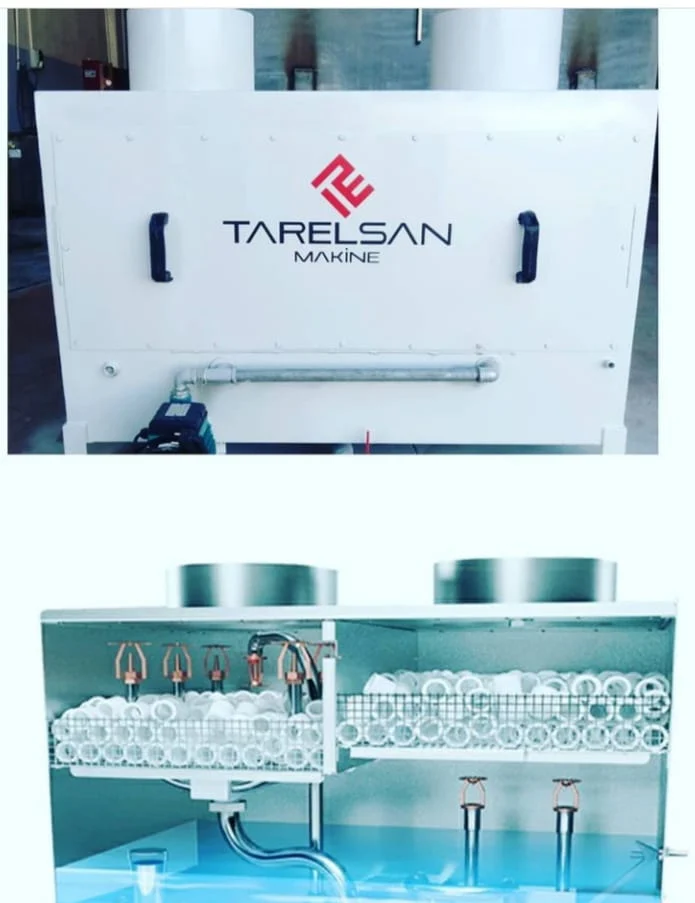
Depending on the design, the air stream passes through a water spray or liquid contact zone. Contaminants transferred to the liquid collect in the circulation line. A suitable mist elimination stage is considered to reduce droplet carry-over at the outlet.
- Contaminated air inlet
- Air–water contact
- Droplet separation
Applications
- Particles suitable for water-based treatment
- Selected smoke and dust applications
- Pre-treatment according to process needs
Key approach
- Transfer of particles into the liquid phase
- Contribution to gas cooling in suitable processes
- Design based on the existing exhaust line
- Pumped or pumpless arrangements according to requirements
The right choice starts with the right data.
The following information is assessed together when selecting a system. Airflow, power, dimensions and performance values are determined for each project.
- Particle size and inlet load
- Water quality, consumption and discharge conditions
- Pressure loss and mist elimination requirements
Application note
A wet filter does not remove every gas or odour using water alone. Waste liquid and sludge management form part of the system design.
Frequently asked questions
Does the system use only water?
Water may be used for particle capture. If gas removal is required, suitable chemicals and process conditions must be specified separately.
Can the circulation water be reused indefinitely?
Water quality must be monitored. Replacement, treatment and appropriate discharge should be planned according to contaminant accumulation.